


The absence of a model car brand (like Norev, Paudi, or Minichamps) on a die-cast box is very common, especially with Chinese manufacturers or models bought through official car dealerships.
There are several strategic, logistical, and legal reasons why these boxes only feature the car manufacturer's logo and look "unbranded."
When an automaker (like Volkswagen, Haval, or Xiaomi) commissions a scale model, they pay a manufacturer to build it as an official promotional item.
- The Goal: The car company wants 100% of the focus to be on their brand.
- The Use: These models are meant to be sold in official car showrooms, given as corporate gifts, or handed out at vehicle launch events. Because they are corporate merchandise, the box is designed strictly according to the car brand's corporate identity.
In the die-cast industry, many high-end models are produced via OEM (Original Equipment Manufacturer) contracts.
- Huge automotive groups (like SAIC or Geely) hire specialized factories (like KengFai, Paudi, or Premium X) to manufacture the cars.
- Under these strict contracts, the factory acts merely as a supplier, not a retail brand. The contract often forbids the factory from printing its own logo on the packaging to prevent confusing the consumer.
Licensing agreements for model cars are highly complex and expensive.
- Exclusive Rights: If a die-cast factory wants to sell a car under their own brand name (e.g., in a standard Norev box), they must pay heavy retail licensing fees to the automaker.
- The Loophole: When the automaker commissions the model directly, no retail license is needed because the automaker already owns the rights. Leaving the model brand off the box keeps the legalities simple and the production costs lower.

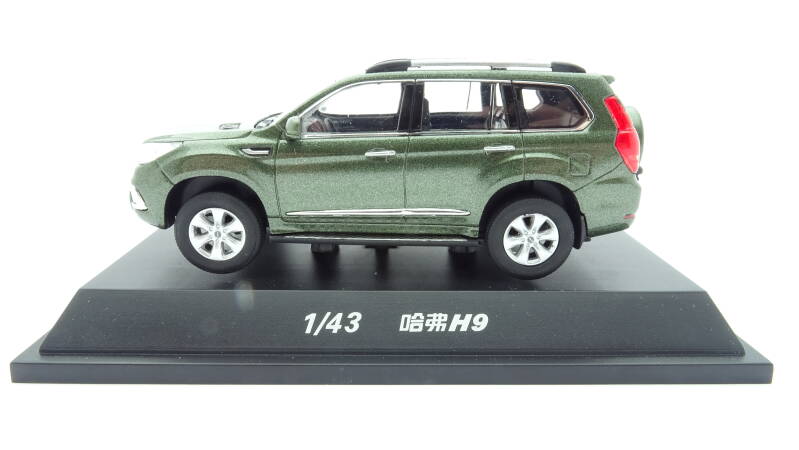

haval h9 2017

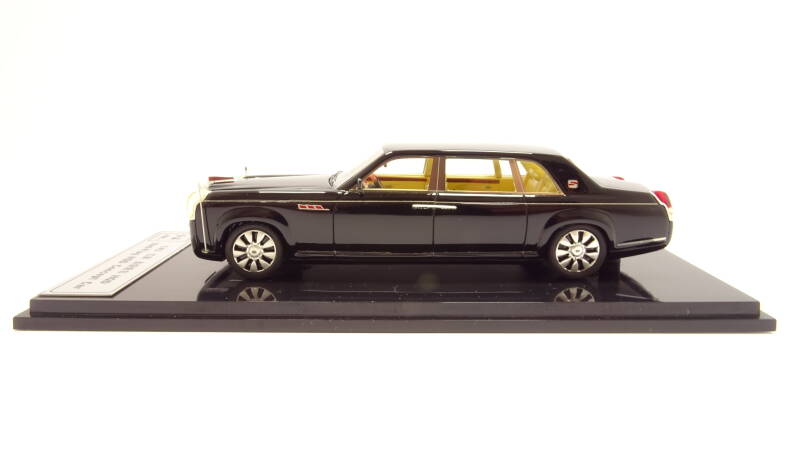
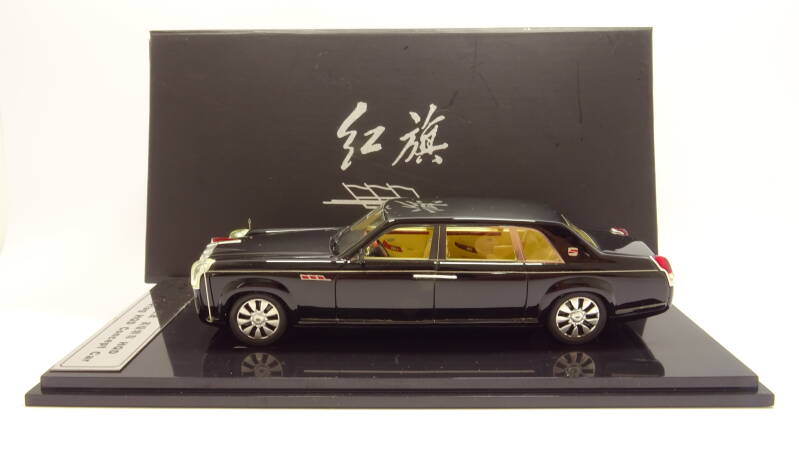
hqe 2005
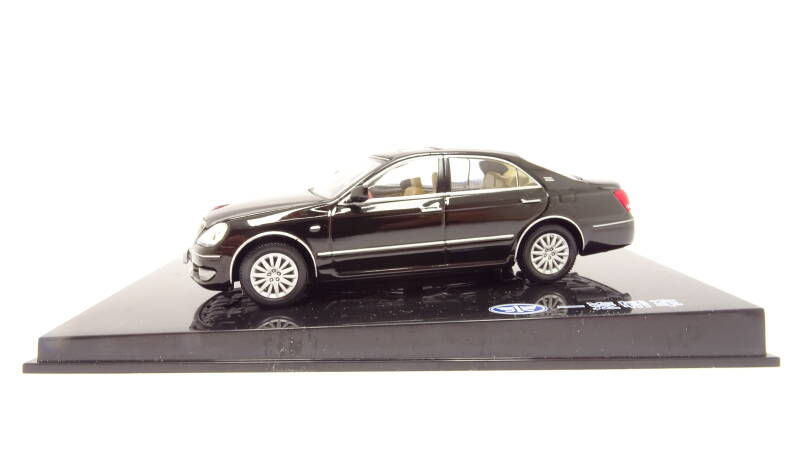
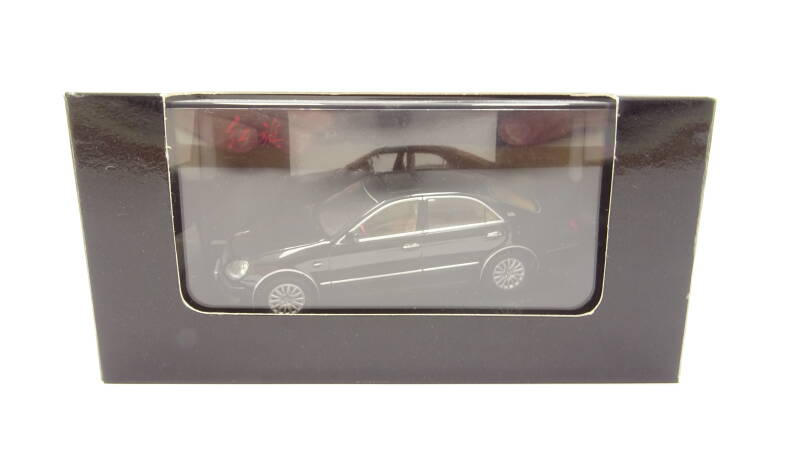
hq300 2006

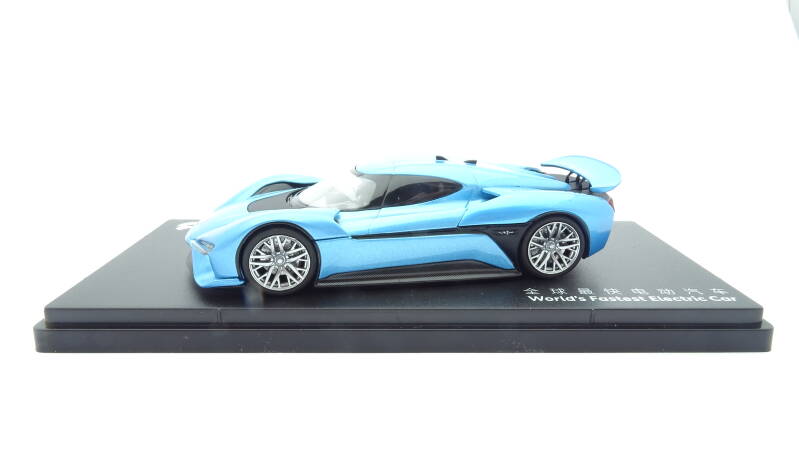

nio ep9 2016

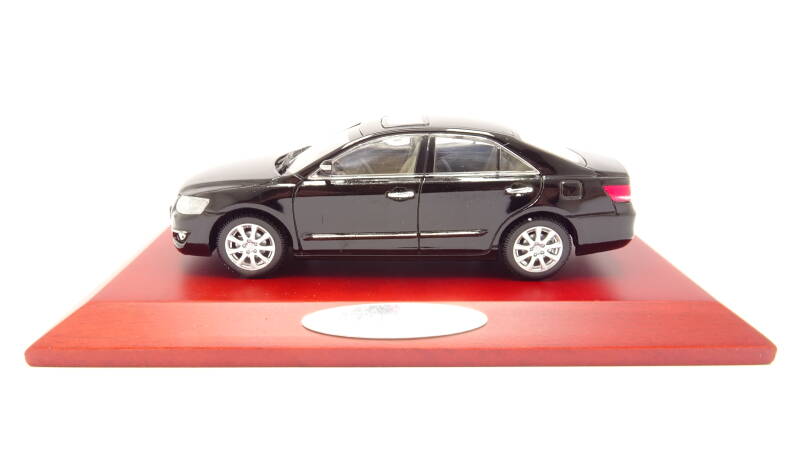

toyota camry 2008
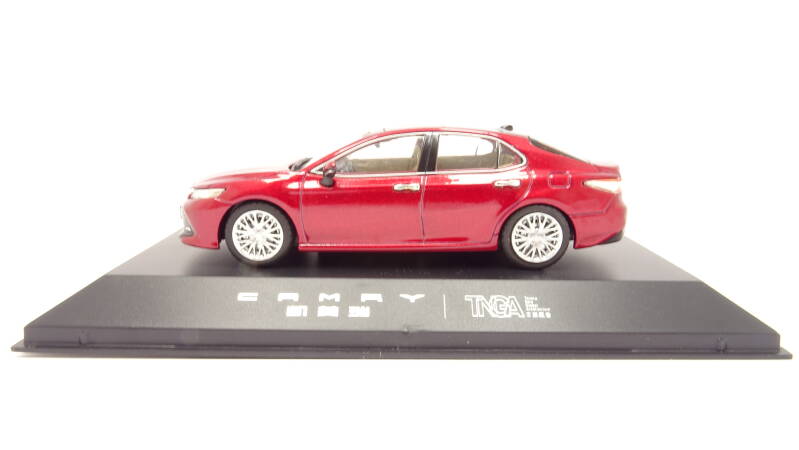

toyota camry 2018

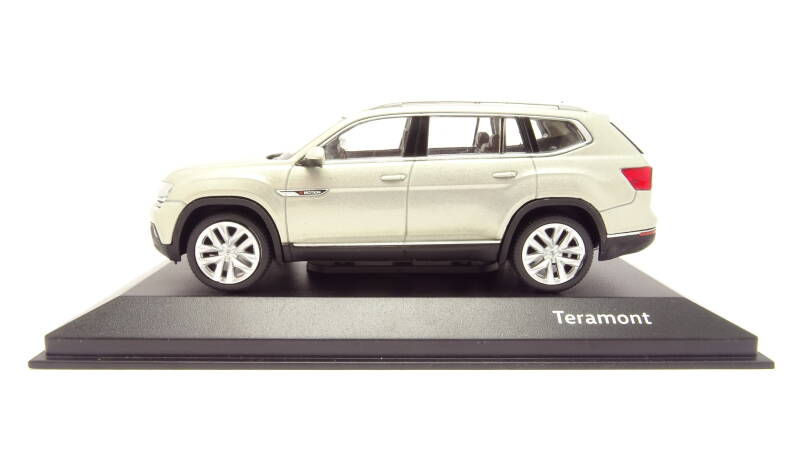

volkswagen terramont /atlas 2017
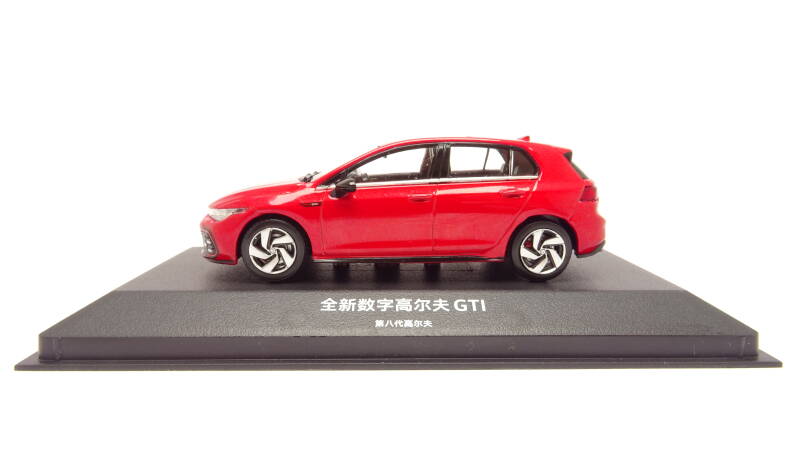

volkswagen golf VIII gti 2020


Create Your Own Website With JouwWeb